Quick answer
Septic tank emptying means a tanker removes the sludge and scum that build up inside the tank. How often depends on the size of the tank and how much water your household uses, because both set how fast sludge builds. Ask the engineer for advice and check the maker's guidance for your system.
Septic tank, cesspit or treatment plant?
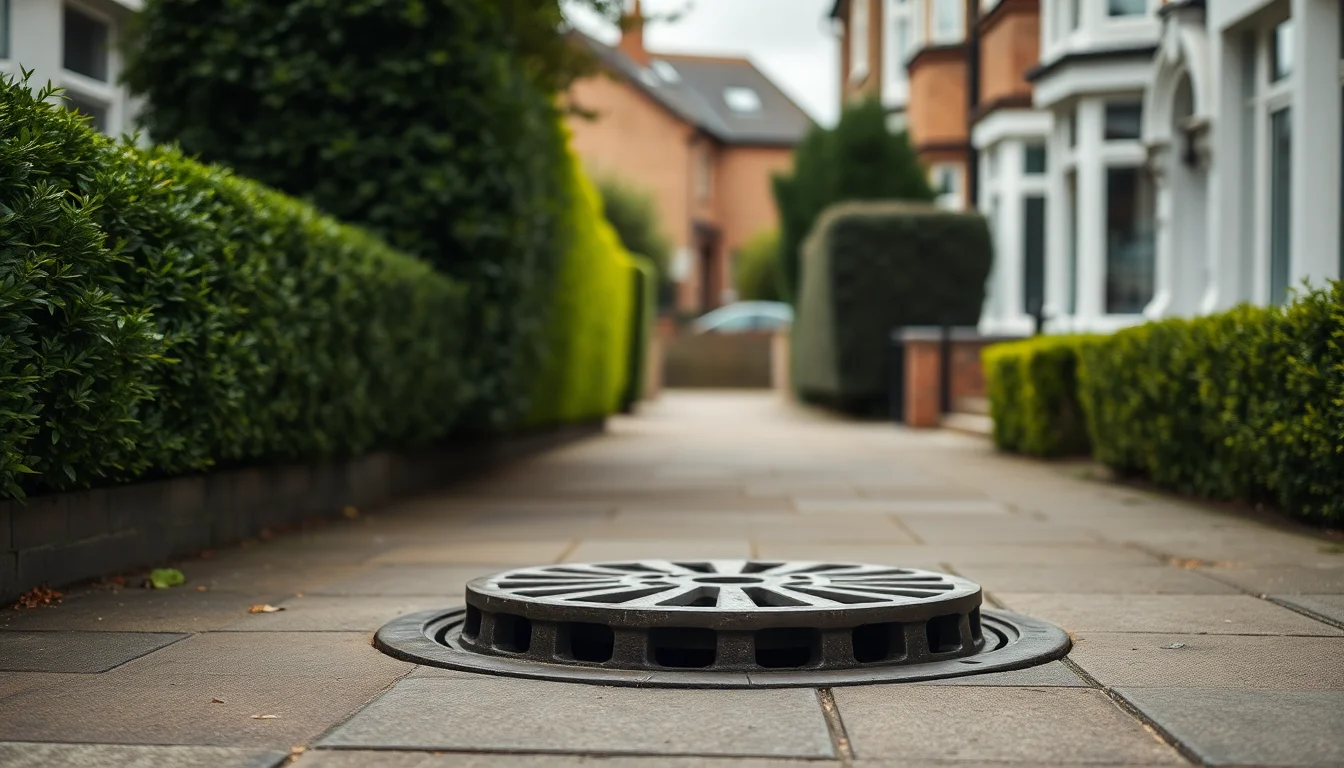
Owners often mix these three up, and the type changes how emptying works. Check which one you have before you plan any maintenance, since each type needs a different routine. Old paperwork or a site plan may name it.
- A septic tank is a buried chamber with an outlet to a drainage field
- A cesspit is a sealed tank with no outlet, so it fills until emptied
- A small sewage treatment plant uses air or machinery to treat the liquid before it leaves
In a septic tank, solids sink to form sludge, while grease and light matter float as scum. The liquid in the middle flows out to the drainage field, where the soil finishes the treatment. A cesspit holds everything, so it needs emptying far more often.
Signs a tank may be full
Some warning signs show up before a problem gets messy. None of them proves a full tank, because a blocked pipe can cause the same symptoms. Treat each sign as a prompt to look closer.
- Slow drains in several fixtures at once, not just one
- Gurgling from sinks, baths or toilets
- A bad smell near the tank lid or the drainage field
- Damp, boggy or unusually lush ground over the drainage field
- An alarm sounding, if your system has one
If only one sink runs slowly, the cause is probably a local blockage. Try drain unblocking first. If the signs appear across the whole house, however, check the tank.
How often should it be emptied?
This guide gives no fixed interval, because the right gap varies from home to home. Two similar houses can need different gaps. The main factors are:
- The size of the tank
- The number of people in the home
- How much water you use each day
- The type of system you have
Start with the maker's advice for your system. Then ask the engineer how full the tank was and when to book again. Keep a record of each visit, since it helps when you sell the property.
What happens on the day
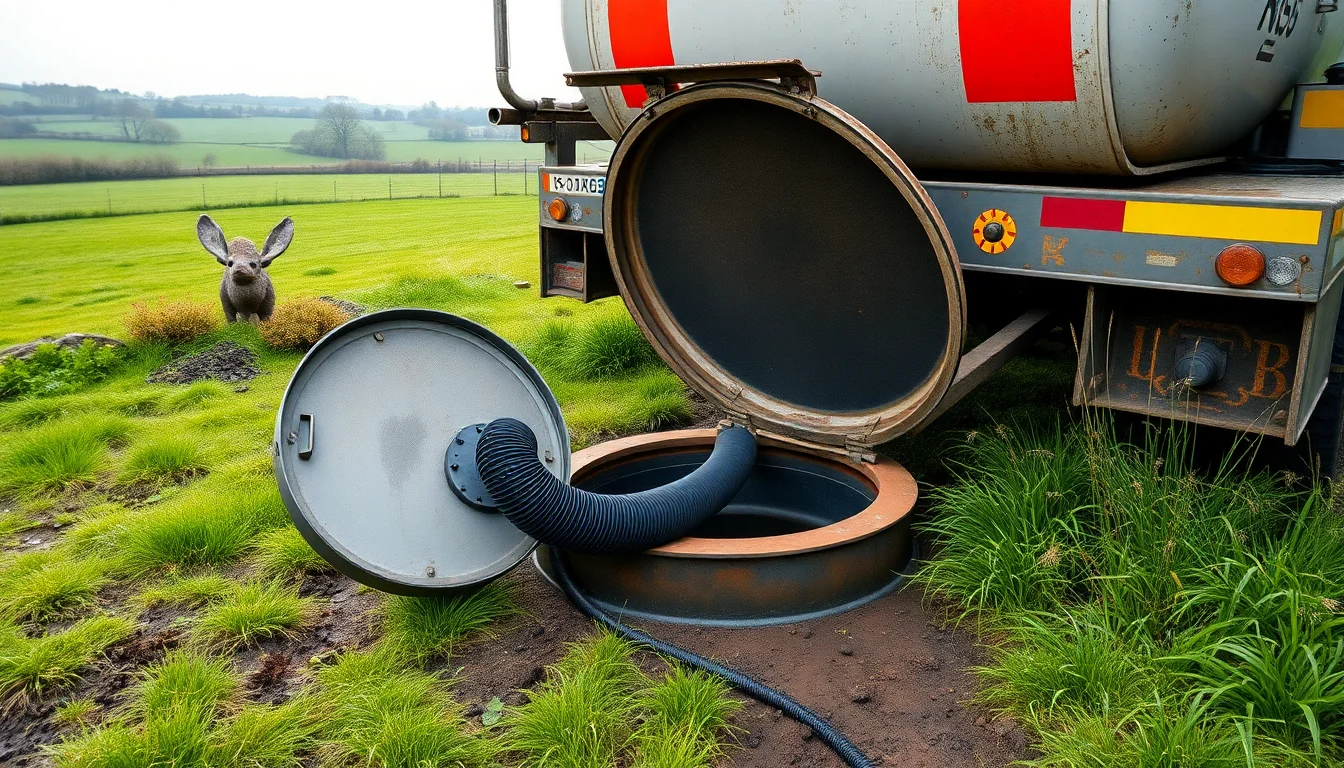
A typical visit follows these steps, although each engineer works a little differently. Use them as a guide to what you should expect. Ask the engineer to explain any step you do not follow.
- The engineer finds the tank and lifts the access covers.
- A suction hose draws out the sludge, scum and liquid into the tanker.
- The engineer checks the inlet, the outlet and the tank walls where they can see them.
- The covers go back and the site is left tidy.
Ask where the waste goes, and ask for a written record of the visit, because you may need it later. You can read more on the septic tank emptying page. Owners near Selby can also see septic tank emptying in Selby.
Who is responsible, and which rules apply
North Yorkshire Council says private drainage such as septic tanks is the landowner's responsibility. If you rent, ask your landlord who looks after the tank, since the answer can differ. Our guide to who is responsible for a blocked drain explains the wider split between owners and water companies.
The gov.uk general binding rules set conditions for small sewage discharges. You need no permit if you meet every applicable rule, although the full list is longer. One rule is a discharge of 2 cubic metres a day or less. A septic tank must discharge to a drainage field, not to a watercourse, and systems must not sit in floodplains.
Our guide to the general binding rules for septic tanks goes through each point. It uses plain words. Check the gov.uk page for the full list, because the rules can change.
Off-mains drainage around the Vale of York
Not every home here connects to a mains sewer, so check which kind of drainage you have. This site has septic tank pages for septic tank emptying in Wheldrake and septic tank emptying in Elvington, both near the Derwent. Selby has its own page too.
Near a river, high water can slow a drainage field, since wet ground cannot take more liquid. A slow field can then make the tank back up. Our guide to blocked drains in Selby and the Ouse floodplain shows how high water affects drains there.
Use the locations page to find your area, while the services hub lists all drain services. To ask for help, send the request form, which is open 24/7. Mark it urgent if sewage is coming up, and ask for a written quote before work starts.
Frequently asked questions
How often should a septic tank be emptied?
It depends on tank size, the number of people in the home and your water use. Check the maker's guidance, then ask the engineer to advise after seeing how full the tank is. Keep the advice with your records, since it helps next time.
What is the difference between a septic tank and a cesspit?
A septic tank has an outlet to a drainage field, while a cesspit has none. All waste that enters a cesspit stays there until a tanker empties it. That is why owners of a cesspit watch the level.
How much does septic tank emptying cost?
The cost depends on tank size, access and how much needs removing, so this guide gives no figure. Ask the engineer for a written quote before work starts.
Do I need a permit for my septic tank?
The gov.uk general binding rules say you need no permit if you meet every applicable rule. Read the full rules on the gov.uk page, because your discharge point and volume matter. The page lists each condition in full.