Quick answer
If water backs up from an outside drain, stop using water and keep out of any sewage. Ask your neighbours if they have the same problem, since Yorkshire Water says that points to its sewer. Report a public sewer to Yorkshire Water. For a drain that serves only your home, send a request, and mark it urgent if sewage is coming up.
One fixture or the outside drain?
The pattern of symptoms usually shows where the blockage sits, so check which fixtures fail before you decide. Write down what you see.
- One slow sink, bath or toilet points to a blockage in that fixture's own pipe
- Several fixtures failing together point to the main run or the outside drain
- Gurgling from more than one drain suggests something further along is restricting the flow
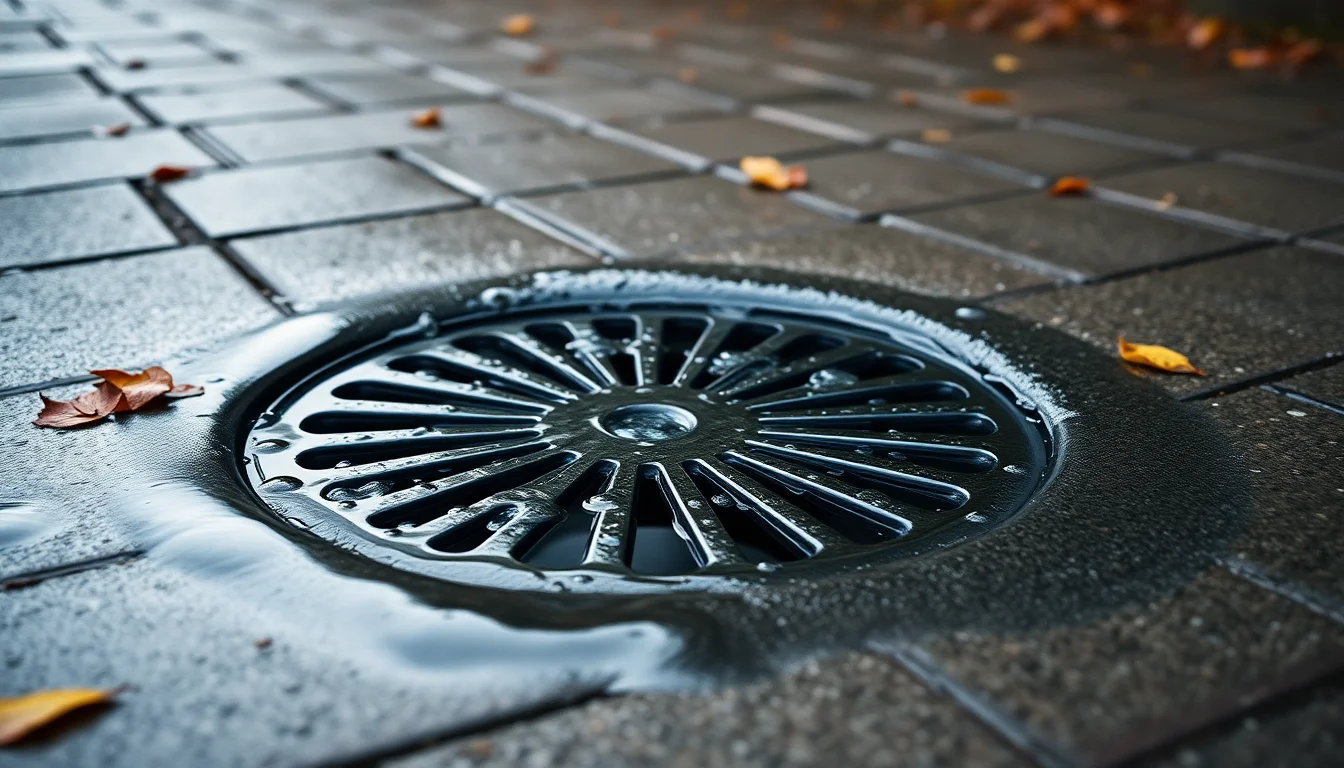
- Water or smells at an outside gully point to the pipe that the gully feeds
Our guide to the signs of a blocked drain goes through each warning sign. It helps you tell a local blockage from a drain problem. Read it before you book.
What to do first
Take these steps while you work out whose pipe it is. They are safe to do at home.
- Stop using water, including flushes and the washing machine.
- Keep out of sewage. Wash your hands and disinfect your footwear if you touch it.
- Ask your neighbours whether their drains are slow too.
- Take photos of the gully, the manhole and any pooling water.
- Report the problem to the owner of the pipe.
Sewage leaks almost always start with a blockage, according to Yorkshire Water. However, it says never to try to unblock a sewer yourself.
Whose pipe is it?
Yorkshire Water's whose-pipe page sets out the split. You look after your drain, from your home to where it meets a shared drain or sewer. Yorkshire Water looks after public sewers, and the drains outside your boundary that flow into them.
It also looks after a shared drain that flows into a public sewer, if your home was built before 2011. In York, City of York Council looks after gullies and manhole covers, so a flooded road gully goes to the council. Our guide to blocked manholes and external drains in Tadcaster shows how to read the signs at a cover.
Safe checks you can do yourself
Two checks are safe, and they solve simple cases because the cause often sits near the surface. Wear gloves for both.
- Lift the gully grate and clear leaves, silt and other debris by hand, with gloves on
- Use a plunger on one slow sink or toilet to shift a soft blockage
Stop there if neither works, or if a second fixture slows down. Poking with makeshift tools can damage a pipe. Chemical cleaners suit small blockages near the surface, yet they will not clear a full outside run.
How outside drains are cleared
Engineers usually work up a ladder, starting with the simplest method. The right step depends on the blockage, because each method suits a different job. You do not need every step each time.
- Drain rods push through and break up a blockage close to an access point
- High-pressure jetting scours the pipe wall and clears fat, silt and roots
- A CCTV camera survey shows what is inside the pipe when it keeps blocking
- A repair, such as relining or digging out a section, fixes damage the camera finds
Our comparison of drain jetting and drain rods explains when each method suits. The external drain unblocking service page covers outside runs and gullies, while the drain jetting page covers the second step in more detail.
Why outside drains keep blocking
A handful of causes account for most repeat blockages, although each drain differs. Most of them build up slowly.
- Fat, oil and grease that cool and set inside the pipe
- Wipes and sanitary products that do not break down like toilet paper
- Tree roots that find a hairline crack or a joint
- Leaves and garden debris that wash into gullies
- A cracked or displaced joint that catches debris each time
Yorkshire Water says wipes cause nearly 50% of blockages in Yorkshire. It says never to flush them, even the ones sold as biodegradable. Bin them instead.
If a drain blocks twice in a short time, look for the cause, since a repeat clear only treats the symptom. A camera survey can find it, and our guide to drain surveys in Selby and Tadcaster shows what a survey picks up. Ask the engineer for a written quote before work starts, and ask what it covers.
Find help in your area
The request form is open 24/7, so mark it urgent if sewage is coming up. The drain unblocking service page lists what to include. Town pages such as drain unblocking in York, blocked drains in Selby and drain unblocking in Pocklington cover each area. The locations page lists the rest, and the request form takes your details.
More pages cover drain unblocking in Easingwold and drain unblocking in Bishopthorpe. The wider drain services in Bishopthorpe page shows what else that town has.
Related guides
- How to Tell if You Have a Blocked Drain: Warning Signs (Including the Hidden Ones)
- Why Every Home Buyer Needs a CCTV Drain Survey
Frequently asked questions
Why does my outside drain keep blocking?
Repeat blockages usually come from fat build-up, roots or a damaged section of pipe that catches debris. A CCTV survey can show which one applies, because then the repair can target the cause. Ask to see the footage.
Is a blocked outside drain my responsibility?
A drain inside your boundary that serves only your home is yours to look after. Yorkshire Water looks after public sewers and, if your home was built before 2011, shared drains that flow into one. Check the split before you book, since it decides who pays.
Can I clear an outside drain myself?
You can clear leaves from a gully grate and plunge a single fixture. However, do not try to clear a sewer or lift a heavy manhole cover. Yorkshire Water says never to unblock a sewer yourself. Wear gloves for any gully work.
What if only one sink is slow?
That usually means a local blockage in that fixture's pipe, not the outside drain. A plunger can shift a soft blockage, yet a second slow fixture changes the picture. In that case, treat it as an outside drain problem.